
Start with your home, not the panels
A real solar design starts with your last 12 months of electric use, your roof and your utility. A panel count without those three is a guess. Before you compare quotes, gather your bills and tell the installer about any changes coming, such as an EV, a pool or a new air conditioner.
Also askedIs Solar Still Worth It in Florida in 2026? · Will Solar Panels Damage My Roof?
Know your utility’s rules
Your utility decides what exported solar is worth:
- FPL, Duke Energy Florida and Tampa Electric credit exports at full retail each month. Size to about 100% of your yearly use.
- OUC, KUA and SECO credit exports below retail. Size to your daytime use, and consider a battery.
Read our Florida net metering guide for the details by utility.
Check the roof first
If your roof will need replacing in the next several years, replace it before solar. Removing and reinstalling panels later adds cost. See Is your Florida roof ready for solar?
Know what Florida gives you in 2026
- The 30% federal tax credit for buying solar ended for systems installed after December 31, 2025.
- Leases and subscriptions can still carry a federal credit, claimed by the company that owns the equipment.
- Solar equipment is exempt from Florida sales tax.
- The value solar adds to your home is excluded from your property tax assessment.
More in Florida solar tax facts.
Your HOA cannot say no
Florida law (s. 163.04) bars HOAs and deed restrictions from prohibiting solar panels. An HOA can choose where they go on your roof, but only within south-facing roof planes and up to 45 degrees east or west of south, and only if their choice does not impair how well the panels work.
Six things every proposal should show
- A production estimate for your address, shade and roof planes.
- The cash price and the financed price, with fees, term and total of payments.
- Savings based on your utility’s current rules, including minimum bills.
- The panel, inverter and battery models, and their warranties.
- Who handles permits, inspection, utility approval and roof penetrations.
- What happens if you sell the home or replace the roof.
Keep reading
The questions homeowners usually ask next.
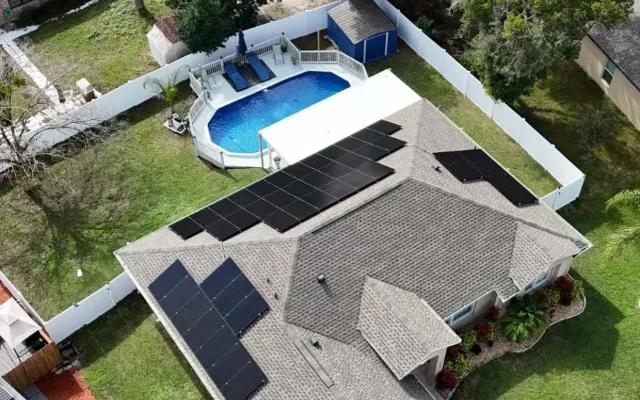
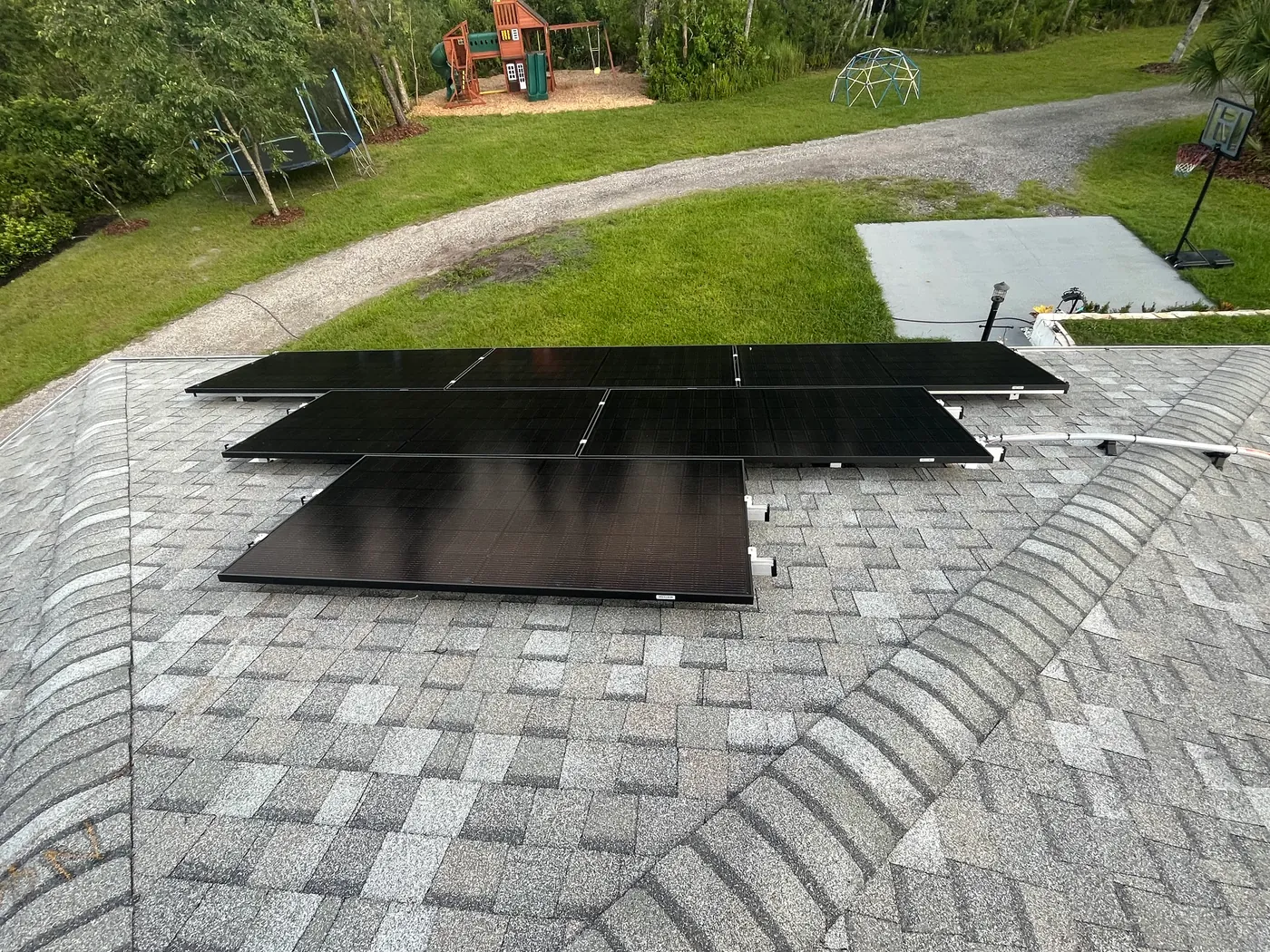
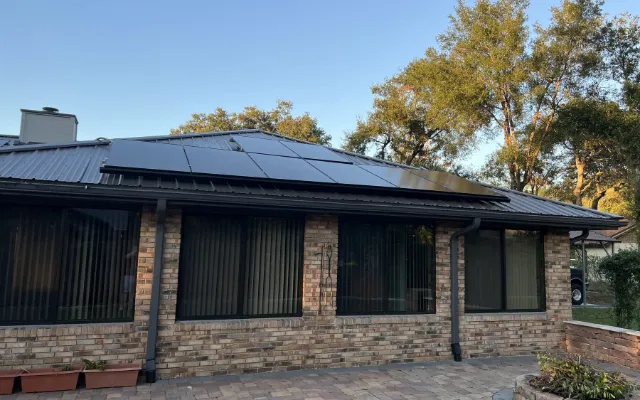
General information, not tax, legal or financial advice. We checked these facts on October 8, 2026. Rules and rates change, so we confirm what applies to your home before you sign.