
Solar subscription
- Often fits
- Homeowners who want solar savings without buying equipment or making a long-term lease commitment.
- Good to know
- Your offer spells out your savings, renewal and what happens at the end of the term.
A solar plan should work for your home and your budget. Choose a subscription for a shorter commitment, a lease for long-term predictable solar pricing, or own your system with a loan or cash purchase.
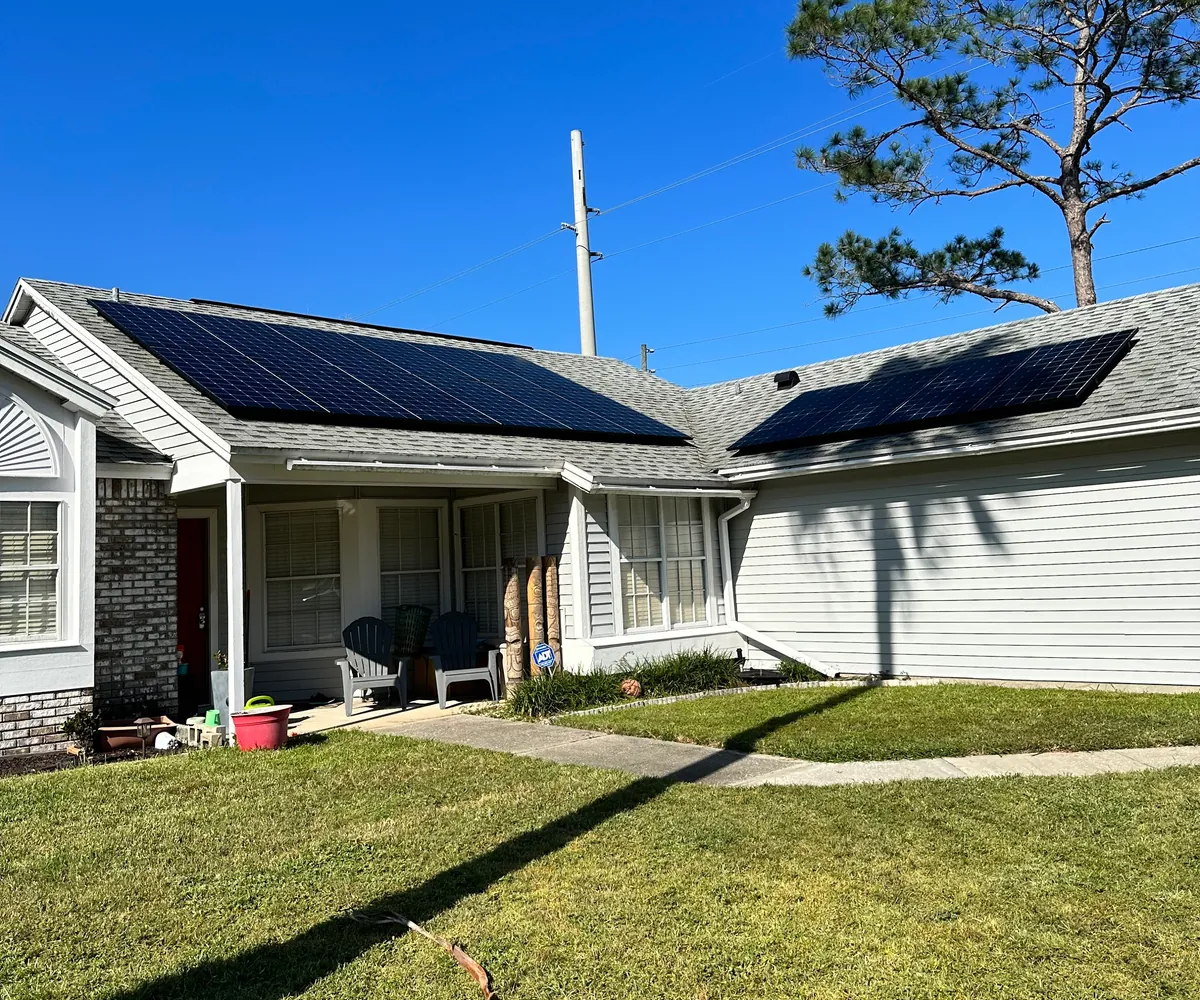
Start with how long you plan to stay and whether you want to own the equipment.
How the four options compare.
| Decision point | Subscription | Cash | Loan | Lease |
|---|---|---|---|---|
| Upfront cost | Often low or $0 down | Highest | Often low or $0 down | Often low or $0 down |
| Ongoing solar payment | Flat monthly subscription for a 3- or 5-year term | None | Principal and interest for the loan term | Agreed long-term pricing, with monthly or prepaid options |
| Total-cost drivers | 30% savings guaranteed every year; any shortfall refunded in full, with no cap | Project price and opportunity cost | Cash price, fees, APR, term, and prepayment | Solar rate, agreed payment schedule and length of term |
| Maintenance | Provider responsibility | You own it, covered by installer and manufacturer warranties | Same as cash: you own it, covered by warranties | Provider responsibility |
| Home sale | If the buyer doesn’t want the system, it’s removed at no cost to you | Usually transfers with the home | Loan payoff or transfer depends on lender terms | Buyer assumption, prepayment, or buyout depends on the agreement |
| At the end of the term | Renew or have the system removed at no cost | Keep your system | Keep your system after the loan is repaid | Renewal, purchase, or removal depends on the lease |
Some solar loans add hidden fees that push the amount you borrow well above the cash price. We show you the cash price and the financed amount side by side, so you can see exactly what financing costs.
The installed price for the same system without solar financing.
The amount you actually borrow after any financing charges are included.
The interest rate and number of years determine far more than the first payment.
The complete scheduled amount paid if the loan runs to the end of its term.
No sales tax on solar, and adding it won’t raise your property taxes. Florida exempts qualifying solar equipment from sales tax, and the value solar adds to your home isn’t counted when your home is assessed.
Your offer shows your payment and confirms you qualify. Subscription payments stay flat during your 3- or 5-year term. Savings are reviewed annually, and any shortfall is refunded in full, with no cap. Review renewal and removal terms before choosing.
No. The subscription illustration combines the subscription and remaining utility costs into an estimated monthly average based on your current electricity costs. Your personal offer confirms the actual subscription payment. Your home can still have a utility bill.
Yes. With a loan, you own the system. The lender may hold a lien on it until it’s paid off, and what happens to the loan when you sell depends on your lender.
Not if you buy the system. The 30% credit for homeowners who buy solar ended with 2025, so a cash or loan proposal today shouldn’t count on it. With a lease or a solar subscription, the credit is still in play, because the company that owns the system claims it.